
Before assuming a failed LED, build a repeatable test sequence. A professional repair phone flashlight Bangi inspection can use those results to separate an app conflict, a temporary operating condition, physical damage and a possible issue along the flash circuit.
Run a controlled check
- Close the camera and any app that may use the flash.
- Test the torch from the phone’s quick settings.
- Test camera flash with a neutral subject and no private content.
- Repeat only after the phone has returned to a normal temperature.
- Note the icon state, beam strength and how long the light remains on.
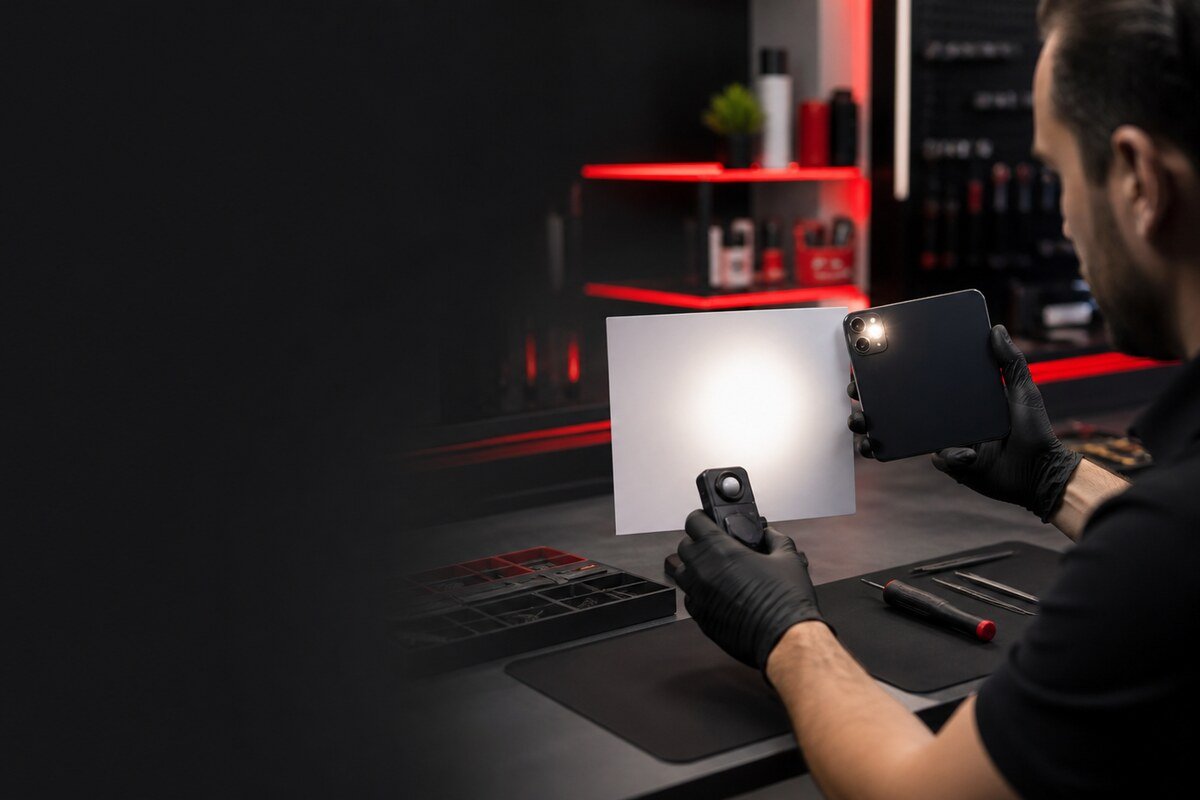
Avoid tests that create new risks
Do not press the camera housing, bend the rear frame, cool a warm phone rapidly, or open the device at home. If moisture exposure is suspected, stop repeated powered tests and arrange an inspection. A clear description of what happened is more useful than forcing the torch to reproduce the symptom many times.
How the inspection narrows the cause
A technician may compare torch and flash behavior, inspect the flash window and rear-frame alignment, and look for impact or moisture evidence. Where appropriate, the connector path can be evaluated using suitable tools. The aim is to explain which observations support the next step rather than naming a part from the first symptom.
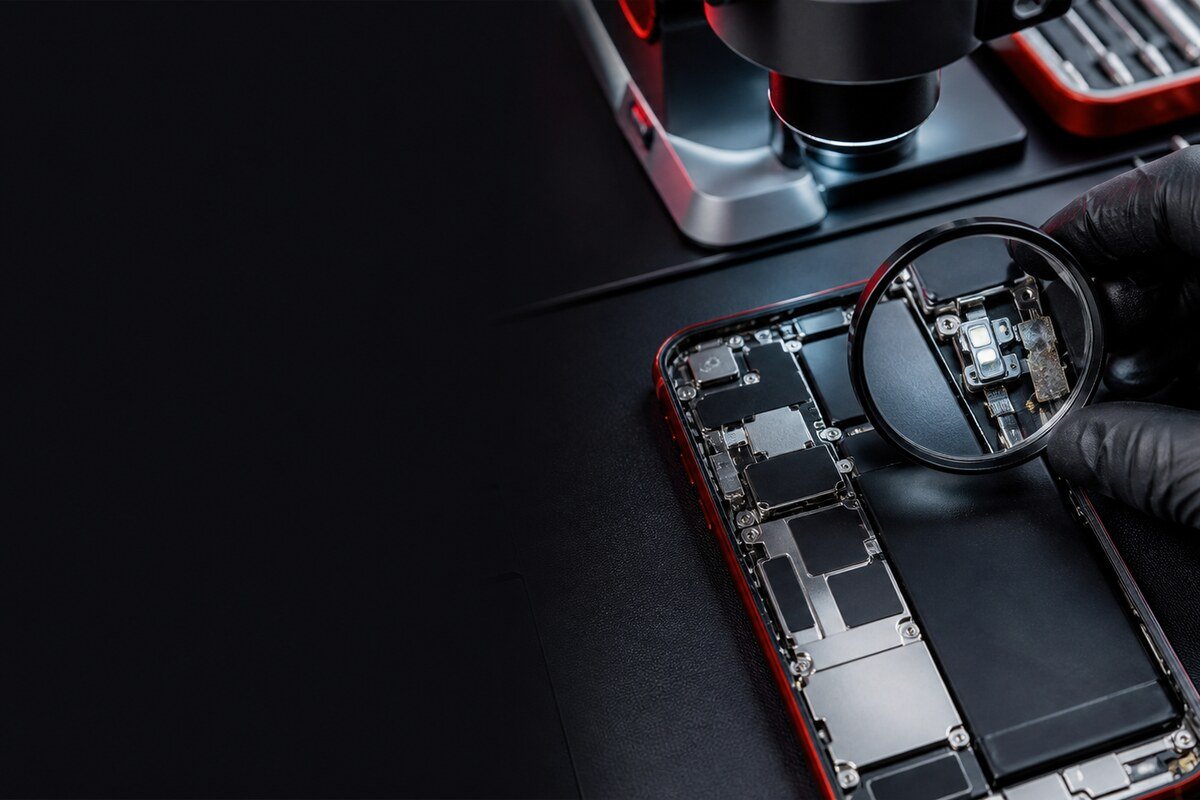
Protect your data during diagnosis
You can demonstrate the flashlight without sharing passwords, banking details, private photographs or verification codes. If a camera test is needed, use a blank wall or another neutral subject. Keep account credentials private and ask what access is actually necessary for the physical check.
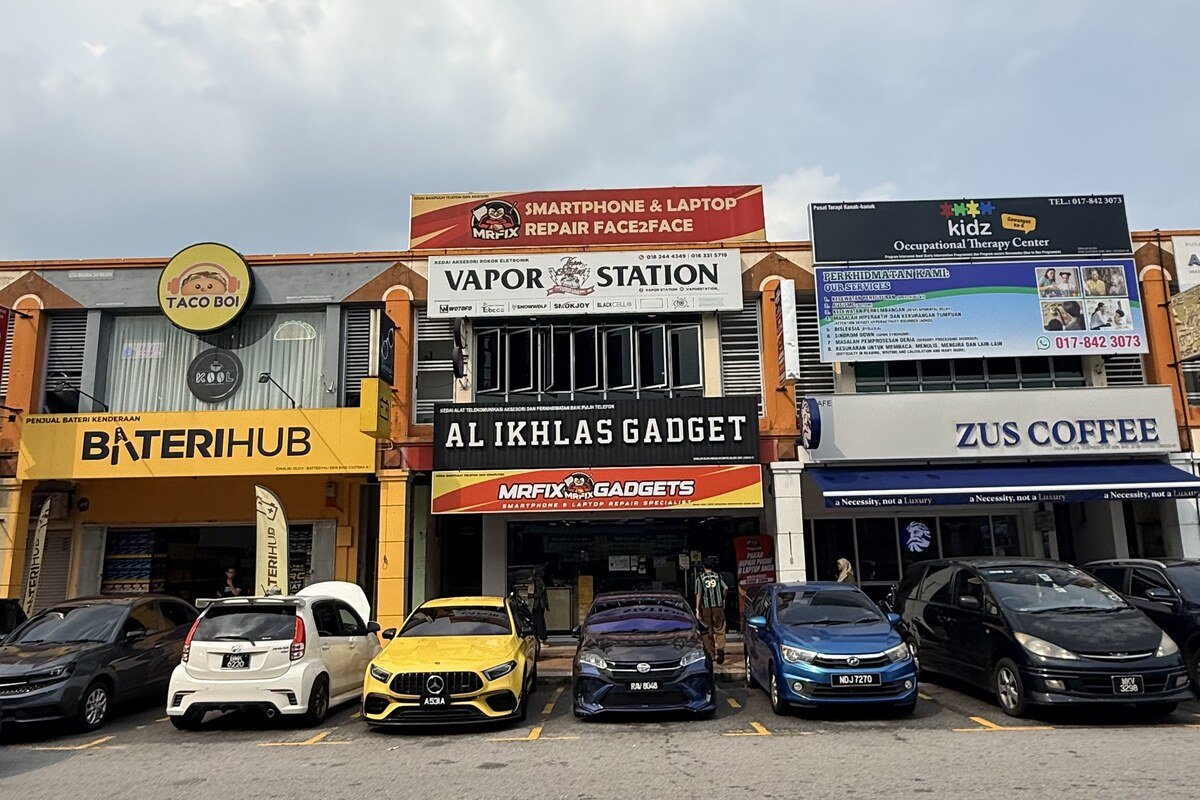
MRFIX Bangi is in Seksyen 7, convenient for customers around Bandar Baru Bangi, Kajang, Putrajaya, Serdang, Nilai and Semenyih. Bring the usual case and explain any recent drop, moisture exposure or earlier repair.